


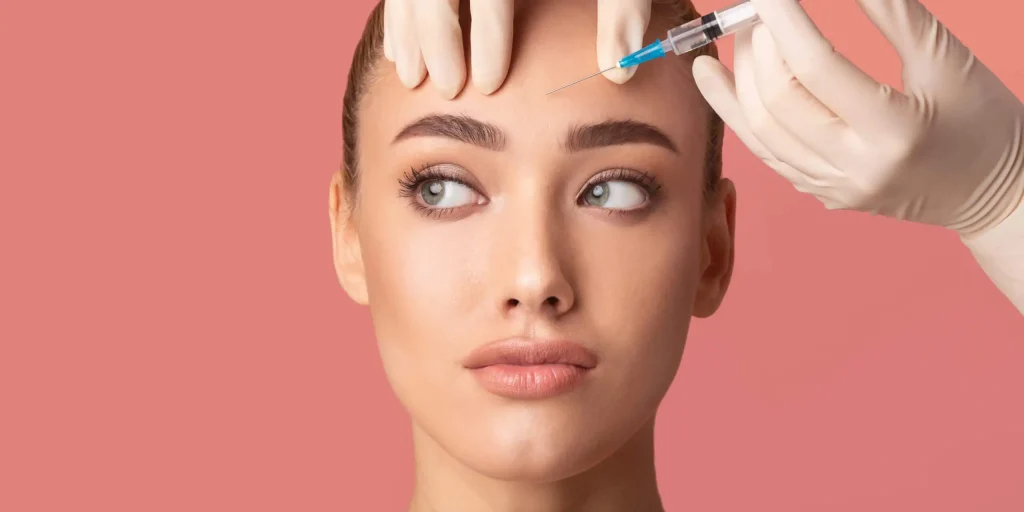
Over time, aging, facial expressions, and environmental factors can lead to the formation of fine lines and wrinkles — especially in areas with frequent muscle movement like the forehead, between the brows, and around the eyes.
Botox is one of the most popular non-surgical aesthetic treatments for individuals who want to reduce these signs of aging and achieve a smoother, more youthful appearance.
What Is Botox?
Botox is a medical treatment that involves injecting botulinum toxin into targeted facial muscles to temporarily reduce muscle activity.
By relaxing these muscles, Botox softens existing wrinkles and prevents new ones from forming due to repeated facial expressions.
In addition to cosmetic use, Botox is also used to treat various medical conditions, but in this article, we will focus on its aesthetic applications.
Which Areas Can Botox Be Applied To?
Botox can be used to treat several areas of the face. Common treatment zones include:
- Forehead lines
- Frown lines (between the eyebrows)
- Crow’s feet (around the eyes)
- Bunny lines (sides of the nose)
- Fine lines above the lips
- Neck bands (Nefertiti lift)
- Jaw clenching and teeth grinding (Masseter Botox)
Each treatment area requires a specific dosage and technique based on individual facial anatomy.
How Is Botox Applied?
Before the procedure, the treatment area is analyzed and a personalized plan is created. The process includes:
- Cleaning the application site
- Applying topical numbing cream if necessary
- Injecting Botox into the targeted muscles using very fine needles
- The procedure takes around 10–15 minutes
- No downtime is required — patients can resume normal activities immediately
Botox is a non-surgical procedure and does not require hospitalization.
Aftercare: What to Avoid Post-Treatment
Recovery from Botox is quick and easy. However, for best results, the following should be avoided after treatment:
- Lying down for the first 4 hours
- Rubbing or massaging the treated area
- Intense physical activity, sauna, or steam rooms for the first 24 hours
- Excessive facial movements on the day of the procedure
- Alcohol and blood thinners, which may increase the risk of bruising
The effects of Botox typically begin to appear within 3 days, with full results visible within 7 to 10 days.
Is Botox Permanent? How Long Do the Results Last?
Botox is not permanent. It provides a temporary relaxation of the muscles. On average:
- First-time users can expect results to last around 3–4 months
- With regular treatments, the effects may extend to up to 6 months
Once the effects wear off, muscle movement returns gradually, and wrinkles may begin to reappear. Maintenance treatments every few months help to preserve results.
Does Botox Look Natural?
Yes — when performed with the right technique, proper dosage, and by a trained professional, Botox can provide a subtle and natural result.
The goal is not to freeze expressions, but to relax the facial muscles responsible for dynamic wrinkles, resulting in a smoother, refreshed appearance.
Poor technique or overuse can lead to unnatural results, which is why expertise matters.
Who Is a Good Candidate for Botox?
Botox is suitable for healthy adults over 18 who wish to reduce visible signs of aging without surgery. It is especially ideal for:
- Those with expression lines and dynamic wrinkles
- Individuals seeking a softer, more relaxed facial appearance
- People wanting a non-surgical, quick anti-aging solution
However, Botox is not recommended during pregnancy, breastfeeding, or for individuals with certain neurological conditions.
A Proven Non-Surgical Anti-Aging Treatment
Botox is a widely trusted, minimally invasive treatment that offers a safe, fast, and effective way to reduce wrinkles and maintain a youthful look.
When administered properly, it enhances facial aesthetics without altering your natural expressions. For anyone looking to prevent or treat facial lines, Botox remains one of the most reliable tools in modern aesthetic medicine.