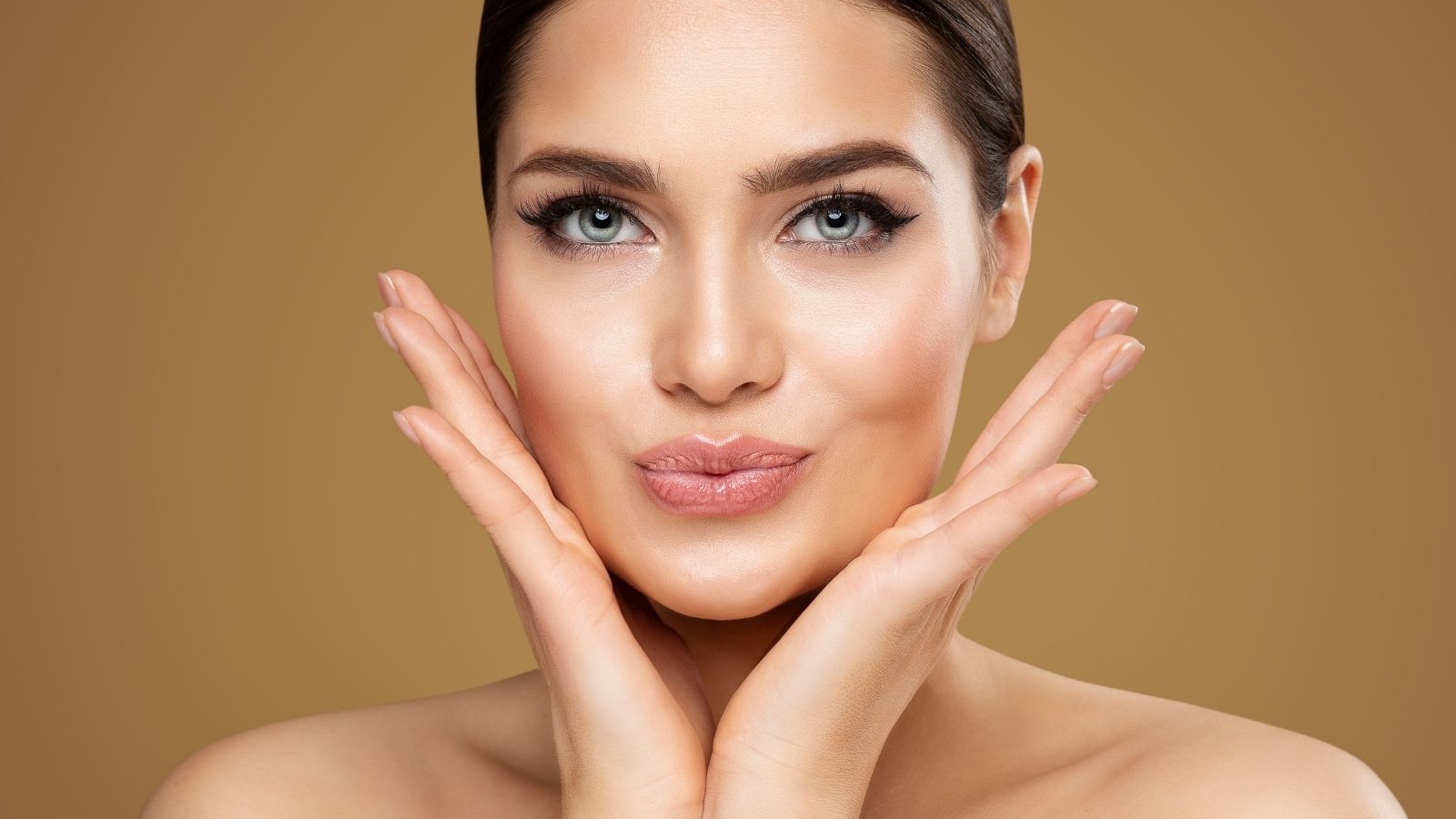
Dermal fillers are one of the most popular non-surgical cosmetic treatments worldwide. They are used to restore volume, smooth wrinkles, enhance facial contours, and create a more youthful appearance—without surgery or downtime. But which areas can fillers be applied to? Let’s explore the most common and effective treatment areas in detail.
1. Lips (Lip Filler)
Lip filler is one of the most requested aesthetic treatments. Fillers can:
-
Add volume and fullness
-
Define the lip border (vermilion border)
-
Improve symmetry
-
Reduce vertical lip lines
Best for: thin lips, uneven lips, or loss of lip volume due to aging.
2. Cheeks (Cheek Filler)
Cheek fillers help restore youthful volume and enhance facial structure. They can:
-
Lift sagging cheeks
-
Improve midface volume
-
Define cheekbones
-
Reduce under-eye hollows indirectly
Best for: those with flat or hollow cheeks or signs of facial aging.
3. Nasolabial Folds (Smile Lines)
Nasolabial folds are the lines that run from the nose to the corners of the mouth. Fillers can:
-
Soften deep smile lines
-
Provide a smoother facial appearance
-
Restore lost volume around the midface
Best for: individuals with noticeable smile lines or volume loss.
4. Marionette Lines (Lower Mouth Lines)
Marionette lines are vertical lines that extend from the corners of the mouth down to the chin. Fillers can:
-
Smooth the lines
-
Lift the corners of the mouth
-
Improve facial balance
Best for: those with drooping mouth corners or deeper lines around the mouth.
5. Under-Eye Area (Tear Trough Filler)
Tear trough fillers target the hollow area under the eyes. Benefits include:
-
Reducing dark circles
-
Smoothing under-eye hollows
-
Making the eyes look brighter and more rested
Note: This area requires an experienced practitioner due to sensitivity and risk of complications.
6. Jawline and Chin (Chin & Jawline Filler)
Chin and jawline fillers are great for enhancing facial symmetry and contour. They can:
-
Create a stronger jawline
-
Improve chin projection
-
Reduce a weak or recessed chin
-
Define facial profile
Best for: those with a weak jawline or wanting a more defined profile.
7. Nose (Non-Surgical Rhinoplasty)
Non-surgical rhinoplasty uses fillers to reshape the nose without surgery. It can:
-
Smooth bumps or irregularities
-
Lift the nasal tip
-
Improve symmetry
-
Enhance the nasal bridge
Note: This procedure should only be performed by highly experienced professionals due to risk of vascular complications.
8. Hands (Hand Filler)
Hands are often overlooked, but they can show aging as much as the face. Fillers can:
-
Restore volume
-
Reduce visible veins and tendons
-
Provide a younger-looking hand appearance
Best for: hands that look thin, bony, or aged.
9. Temples (Temple Filler)
Temple fillers help restore volume loss that occurs with aging. Benefits include:
-
Smoothing temple hollows
-
Lifting the midface
-
Improving facial harmony
Best for: those with hollow temples or facial aging signs.
10. Neck & Décolletage (Neck and Chest Fillers)
Although less common, fillers can also be used in the neck and décolletage area to:
-
Reduce horizontal neck lines
-
Improve skin texture
-
Add subtle volume
Note: This area requires careful planning and expertise.
11. Skin Boosters (Fine Lines & Skin Quality)
While not a specific area, skin boosters are a type of filler used to improve overall skin quality by:
-
Increasing hydration
-
Enhancing skin elasticity
-
Reducing fine lines
-
Giving a natural glow
They are often applied to the face, neck, and hands.
Fillers are a versatile and effective way to enhance facial harmony and restore youthful volume. The key to a successful result is choosing an experienced practitioner and having a personalized treatment plan. Fillers are not one-size-fits-all, and each face requires a unique approach.