


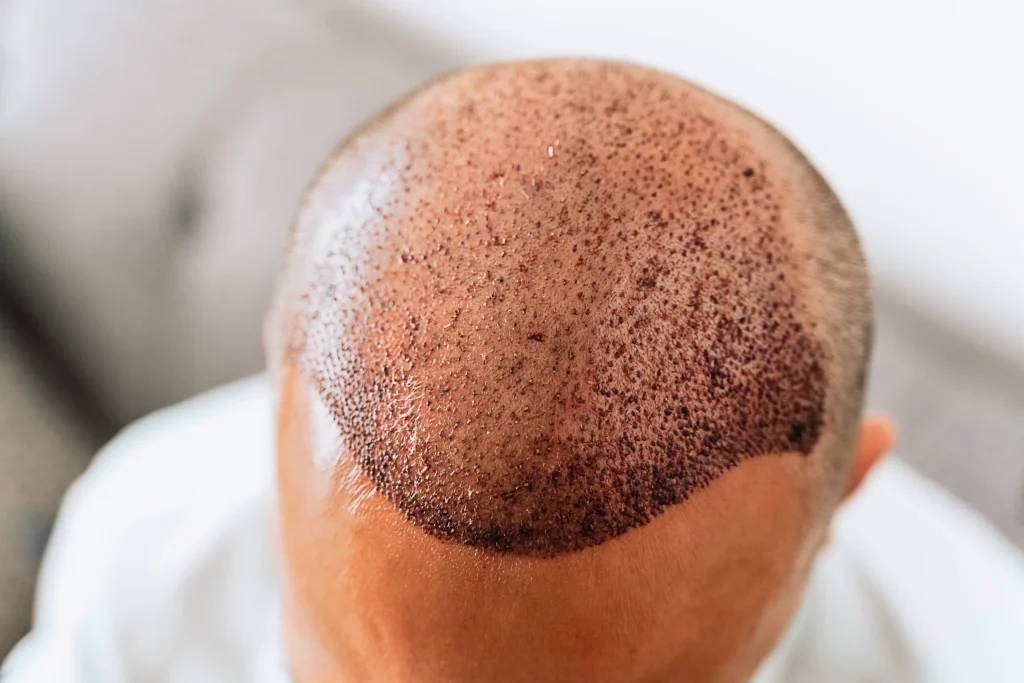
Hair loss is one of the most common aesthetic concerns affecting both men and women. Whether caused by genetics, stress, environmental factors, or hormonal imbalances, hair thinning can now be permanently resolved with a hair transplant — a modern medical procedure delivering natural and lasting results.
What Is a Hair Transplant?
A hair transplant is a surgical procedure where hair follicles are taken from a donor area (typically the back of the scalp) and transplanted into areas with thinning or no hair. It’s performed under local anesthesia and is considered a minimally invasive method.
Because the grafts are taken from the patient’s own scalp, there’s no risk of rejection. Once the hair grows, it blends seamlessly with the existing hair and behaves naturally.
Who Is a Good Candidate for Hair Transplantation?
- Individuals with male pattern baldness (androgenetic alopecia)
- Women experiencing hair thinning
- People with hair loss due to burns, trauma, or surgeries
- Those wanting to restore eyebrows, beard, or mustache density
Candidates should have sufficient donor hair and be in overall good health. A personalized assessment is essential to determine suitability.
Types of Hair Transplant Methods
1. FUE (Follicular Unit Extraction)
In FUE, hair follicles are individually extracted using micromotors and implanted into the bald areas. There are no stitches or visible scarring, and recovery is typically quick.
2. DHI (Direct Hair Implantation)
DHI uses specialized pens to directly implant follicles into the scalp without opening channels first. It allows for higher density and more precise placement.
3. Sapphire FUE
A variation of FUE that uses sapphire-tipped blades instead of metal. This causes less tissue trauma, leading to faster healing and reduced scabbing.
How Does the Hair Transplant Process Work?
1. Consultation and Planning
The process begins with a detailed analysis by a specialist. The number of grafts needed and the hairline design are planned according to the individual’s facial structure and goals.
2. Graft Extraction
Hair follicles are harvested from the donor area, usually the back of the scalp. The process is painless due to local anesthesia.
3. Channel Opening & Implantation
Tiny incisions (channels) are made in the recipient area, and the follicles are placed carefully into these channels at natural angles.
4. Recovery
Mild scabbing, redness, and swelling are expected during the first week. Most patients resume normal activities within a few days. Hair growth starts a few months after the procedure.
Post-Transplant Care: What to Watch For
- Do not wash the scalp for the first 3 days.
- Avoid direct sunlight exposure for at least 10 days.
- Refrain from smoking and alcohol during the healing period.
- Sleep with your head elevated to avoid pressure on the grafts.
- Use only the aftercare products recommended by the clinic.
- Avoid strenuous exercise for the first week.
Following these guidelines is crucial for proper follicle retention and optimal results.
Hair Transplants for Women
Hair transplants are not limited to men. Many women also experience hair thinning or receding hairlines due to genetics, stress, or hormonal shifts. Hair transplantation in women is particularly effective for restoring density in the frontal area or correcting part lines.
In most cases, the donor area is treated in a way that remains hidden under longer hair, making the process virtually unnoticeable during recovery.
When Will You See Results from a Hair Transplant?
- Month 1: Temporary shedding (“shock loss”) may occur — this is normal.
- Months 3–4: New hair starts to grow from the transplanted follicles.
- Month 6: Noticeable improvement in hair density.
- Month 12: Full and final results become visible.
While the timeline may vary slightly per person, most patients achieve the final outcome within 12 months.
Do Hair Transplants Look Natural?
Yes, when performed by experienced professionals using modern techniques, the result is completely natural. Proper planning of the hairline and the precise angle of follicle placement are the keys to achieving an authentic look.
In well-done transplants, even close-up observers cannot tell that a procedure was performed.
Are Hair Transplants Permanent?
Yes. The transplanted follicles are resistant to the hormone (DHT) that causes hair loss, meaning they will continue growing for a lifetime. A properly done hair transplant is a permanent solution to hair loss.
Are There Any Risks?
Hair transplants are generally safe procedures, but like all surgical interventions, they carry minor risks such as:
- Mild swelling or redness
- Temporary numbness in the donor area
- Infection (very rare in clinical settings)
- Uneven growth or lower-than-expected density
Most side effects are temporary and manageable with proper aftercare.
A hair transplant is a life-changing solution for those suffering from hair loss. It restores not only hair but also self-confidence. Thanks to advanced technology and refined techniques, the procedure is now safer, faster, and more natural-looking than ever before.
With the right preparation and post-care, hair transplant results can be permanent, undetectable, and transformative — offering a new chapter for those seeking aesthetic renewal.